MODEL ON TEST: VZ2 1.5 e-HYBRID DSG AUTOMATIC – MILEAGE – 10,287
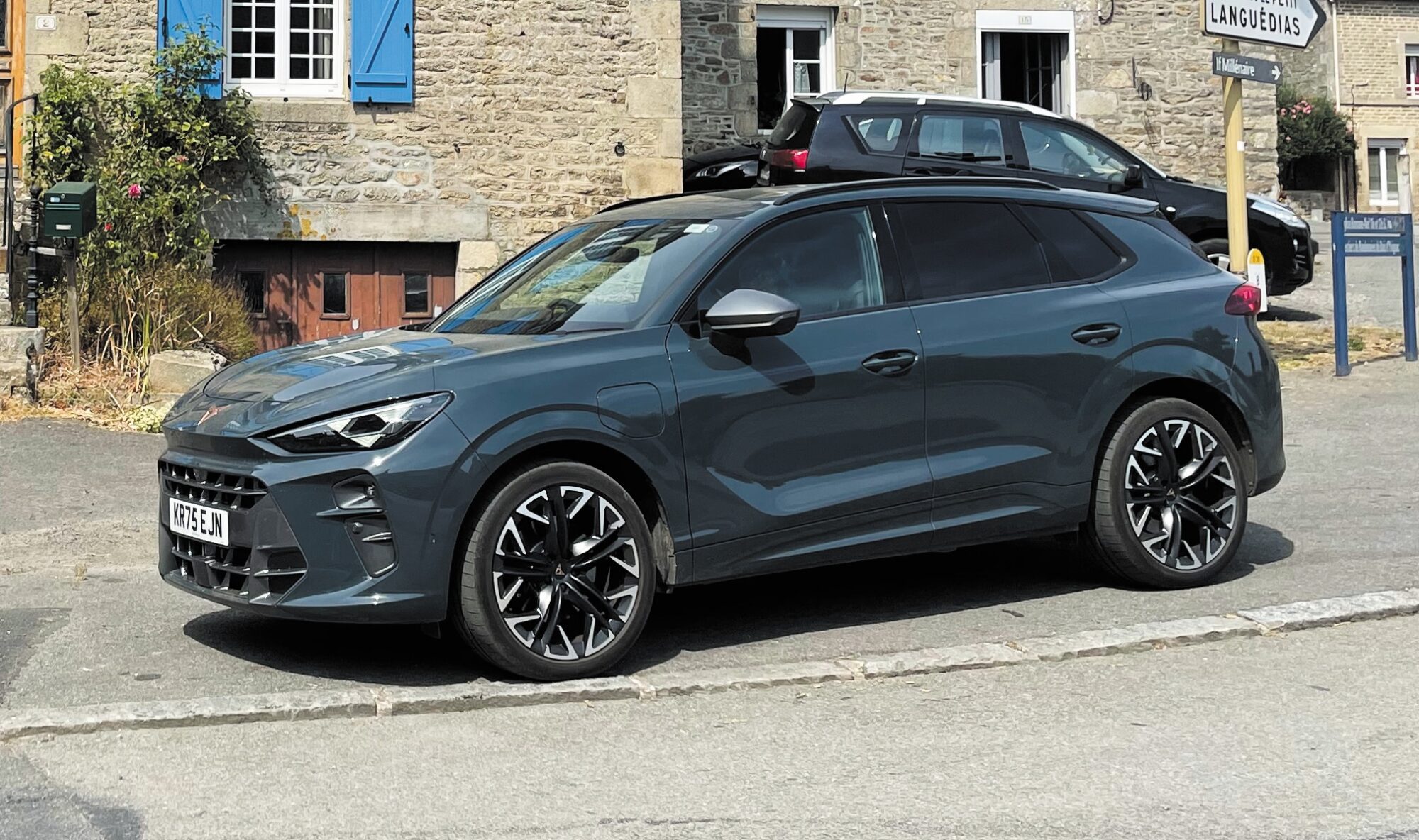
Zut alors! We really weren’t supposed to be here: cosseted in the belly of DFDS’s Seven Sisters ro-ro ferry, lulling back from Dieppe towards Blighty after a totally unexpected trip to Brittany – and staring down the barrel of an all-too-soon end of the road with the trusty Terramar. My final postcard on half a year of Cupra adventures (not my first rodeo with the brand after a sizeable stint with two trips abroad aboard a Tavascan last year) saw this last-minute trip to Saint Malo via Newhaven, and a lesson in the perils of paternal promises.
“If Fontaines DC announce any gig in August, anywhere,” I told my ultrafan daughter, Jemima,“I pledge I will get us tickets.” And then, argh, up the tickets popped… at La Route du Rock festival, thereby signalling the end to my feeble plans to keep all leisure journeys north of Newhaven this year. Not, of course, that I’m moaning. After all, after six months of literally sitting on a niggle that the Terramar’s key foible might be its finesse for ride quality, I can now conclude that it’s fine. Steer this car to France, blat 1,000kms of autoroutes, N-roads and Normandy bocage and, the results conclusively underline that this is a smooth operator that simply, (join the club, Cupra) isn’t at its optimum on the crenellated, crater-poxed chaos offered by British tarmac. Drive the Terramar in France and your passengers can sip their coffee all journey long.Try it in Gloucestershire and they’re wearing it.
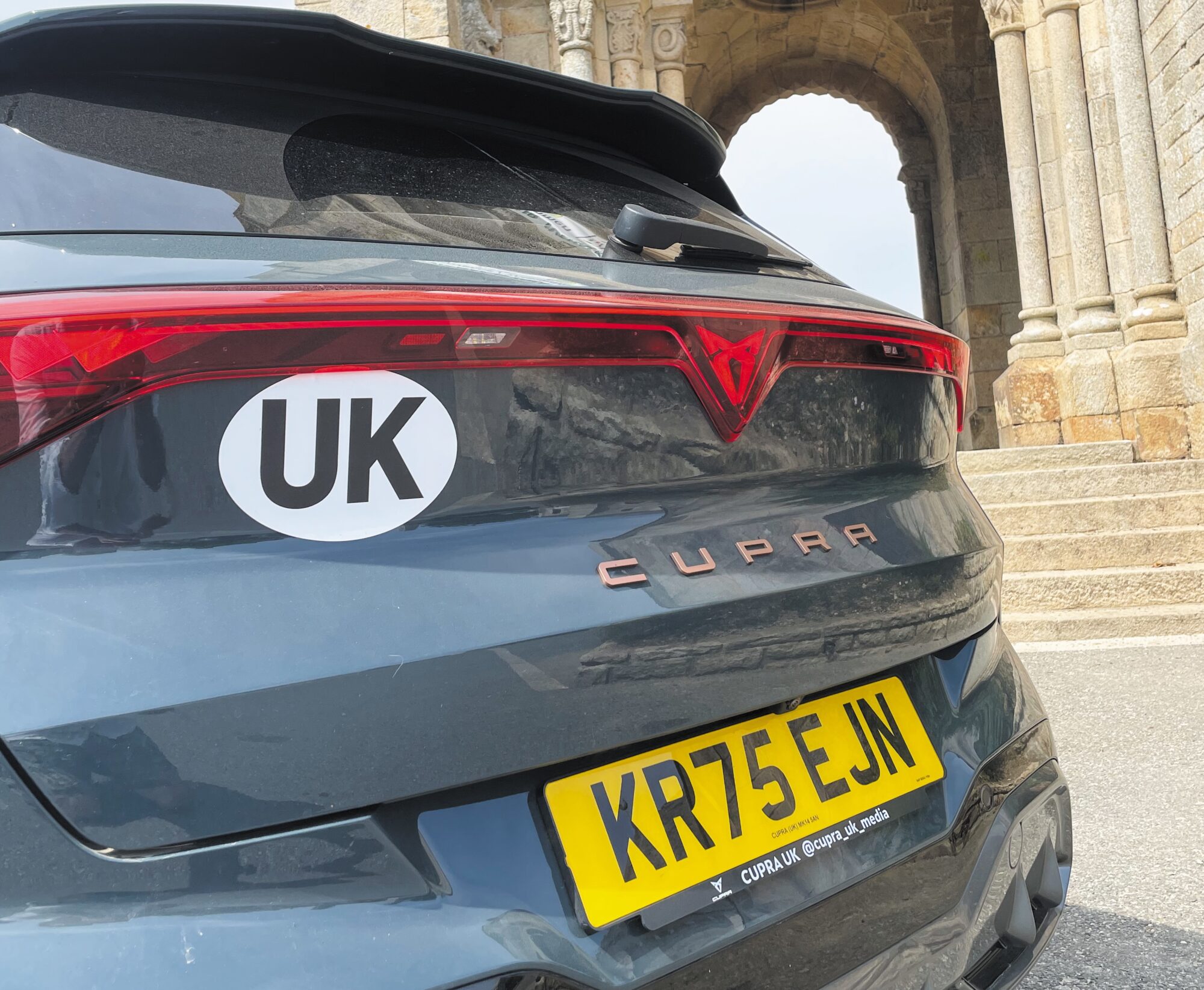
The second jaunt of the summer was also proof of this car’s cool capability for absorbing the needs
of a family of four on a foreign break, with little need to trouble the roof bars. The boot, boosted by a neat addition of underfloor space for half a dozen pairs of shoes, absorbed the lot. This was literally music to my ears, given that my reliance on my faithful Thule roofbox for a brief camping trip in Cornwall triggered an endless, high- pitched whistle. No, this road trip was sweet harmony: the click of the petrol cap when you’ve stopped 350 miles down the road and see that you’re still averaging more than 80mpg; the smooth glide of the panoramic sunroof as you breeze down a country lane and watch the birdlife above (traffic permitting); the muted clunk activated by the key fob when you press and hold from your gîte window, thereby ensuring all windows left open are safely shut.
So would this be my final goodbye, or an à la prochaine? That’s not a hard question given that after six months (and despite becoming admittedly an EV-head) plug-in hybriding, Terramar-style has convincingly won me over.
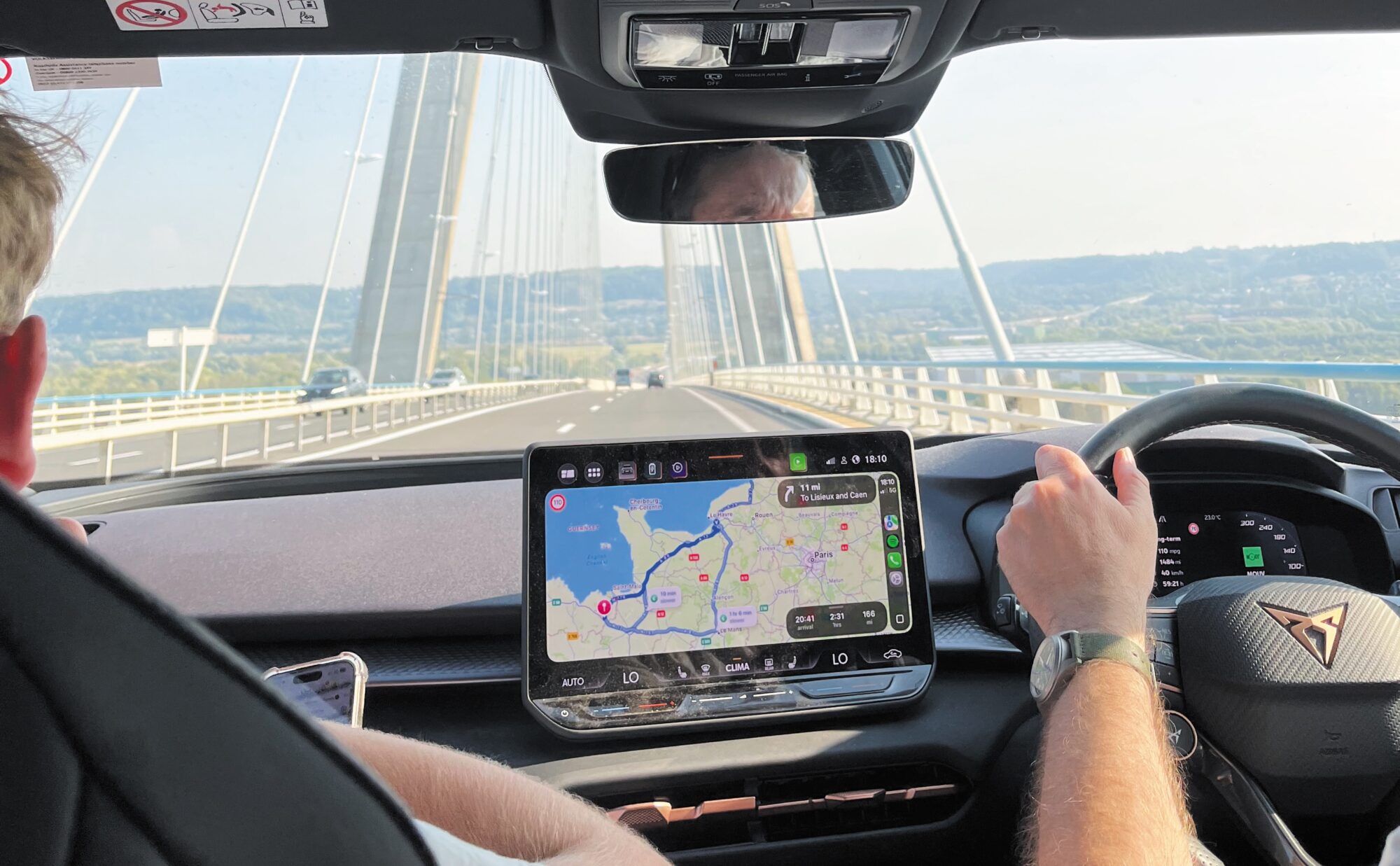
Ease of use has to be the coup de grace. Given the world we now live in and the choices of how we propel our wheels right now, the Terramar spells immense flexibility: it will happily pootle around for almost all of my driving weeks with no need to eat into the petrol reserves, yet if you need more than around 60 miles of reach in 24 hours (and are restricted on home charges to a cheap overnight window), it’s certainly no gas glutton.
I suspect that on this trajectory of some 20,000 miles of driving for a year, my demands are above average, yet given the ratio of short versus longer trips covered here, the Terramar crosses the finishing line as a credible, capacious family machine, dressed to thrill in a stylish shell, all while obstinately refusing to dip below 70mpg (in our six months’ tenure). Looks get a car a long way in my book – to be honest, that book stays shut for so many cookie cutter SUVs that clog our roads, but the Terramar, despite its rapid rate of spawning wherever you now drive, runs no risk of that. Economics, however, seal the deal. So where do I sign?
SIMON HACKER
WHAT’S HOT: Under the floor panel in the boot there’s a good range of nooks for storage – a welcome extra dimension on a trip away.
WHAT’S NOT: A test charge with Gridserve on the M5 in Somerset this month cost me £9.86 for a measly 32 miles of juice, and was very slow.
CLICK HERE TO READ ALL OF OUR LONG-TERM REPORTS ON THE CUPRA TERRAMAR
FACTS & FIGURES
PRICE (NEW): £50,150
(NOW): £50,580 (AS TESTED): £51,145 (DEALER TRADE-IN) £32,400 (DEALER FORECOURT) £34,300
COLOUR: Fiord Blue
BUILT IN: Györ, Hungary
CODENAME: SE336
GENERATION: 1
PLATFORM: MQB Evo
BODYSTYLE: 5-door SUV, 5-seats
LAYOUT: Front-wheel drive
POWERPLANT: 1,498cc, 4-cylinder, 16-valve, turbocharged petrol with 25.8kWh lithium-ion battery and electric motor
GEARBOX: 6-speed twin-clutch automatic
MAX POWER (ENGINE): 130kW/174bhp/177ps @ 5,500-6,000rpm
MAX POWER (ELECTRIC MOTOR): 85kW/114bhp/116ps
MAX POWER(COMBINED): 200kW/268bhp/272ps
MAX TORQUE (ENGINE): 184lb ft/250Nm
MAX TORQUE (ELECTRIC MOTOR): 243lb ft/330Nm
TOP SPEED: 134mph
0-62MPH: 7.3secs
CO2 EMISSIONS: 40g/km
ECONOMY (COMBINED): 156.9mpg
ECONOMY (ON TEST): 71.5mpg
FUEL TANK: 45 litres
RANGE (ELECTRIC MOTOR): 69 miles
RECHARGING:
AC 11kW (0-100%) 2 hours 30 minutes
DC 50kW (10-80%) 26 minutes
INSURANCE GROUP: 31
BIK RATE (2026/2027 TAX YEAR): 10%
SIZE (LENGTH/WIDTH WITH MIRRORS/HEIGHT/ WHEELBASE): 4,519/2,087/1,584/2,680mm
BOOT SPACE (MIN/MAX): 400-490/1,404 litres
KERB WEIGHT: 1,904kg
TOWING WEIGHT: 2,000kg
EURO NCAP RATING: Five stars
SPARE WHEEL (FULL-SIZE/SPACESAVER/RUN- FLAT/SELF-SEALING/REPAIR KIT): No/no/no/no/yes
WARRANTY: 5 years/90,000 miles
BATTERY WARRANTY: 8 years/100,000 miles
DATE ARRIVED: 10th February 2026
COSTS: None
FAULTS: None
© Motorworld Media 2023
Registered Office: 4 Capricorn Centre, Cranes Farm Road, Basildon, Essex. SS14 3JJ
Company Number: 8818356
Website designed by Steve Dawson